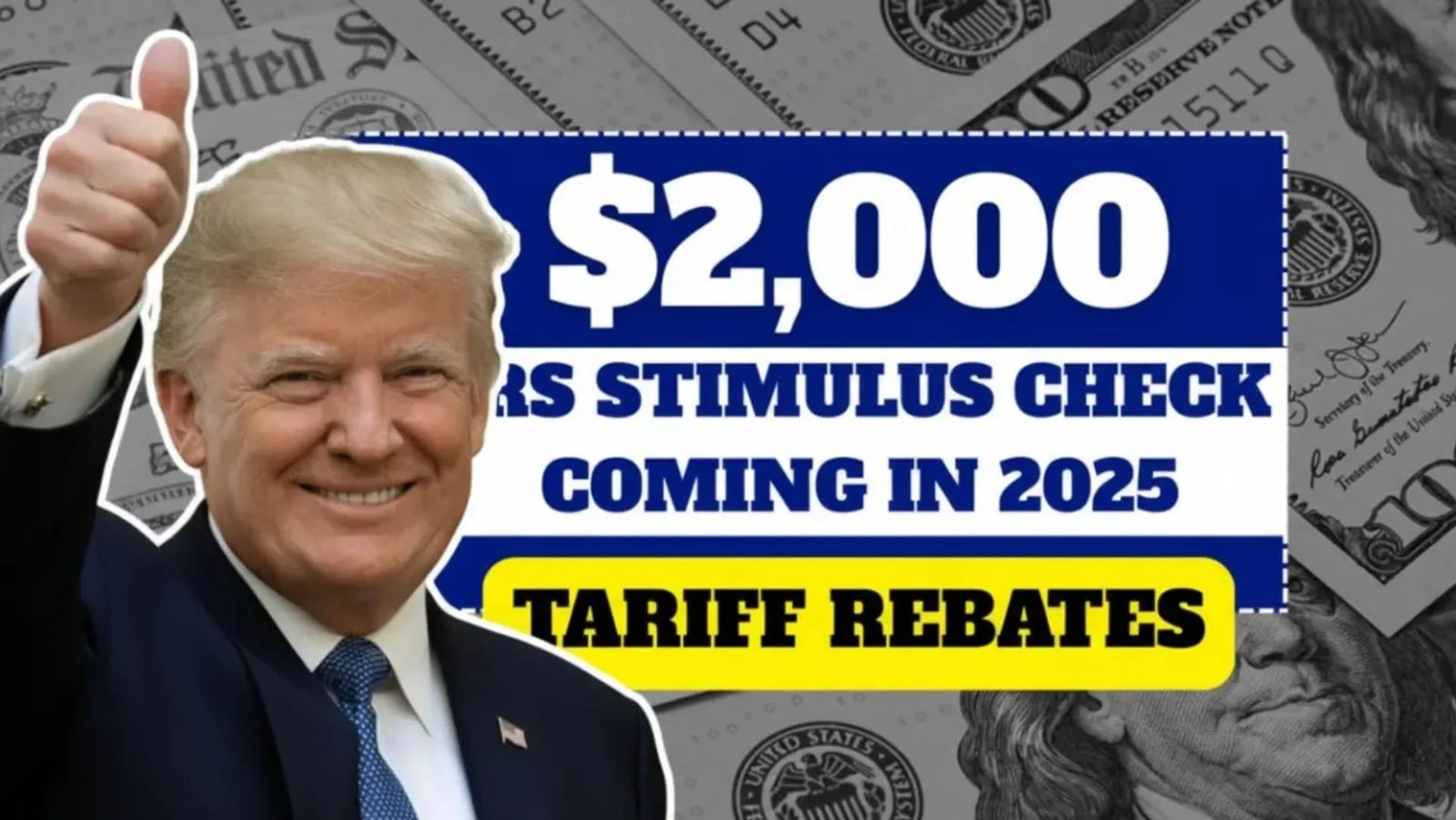
Hey there, have you seen those viral posts promising a fat $2,000 IRS stimulus check hitting your bank account next year? With holiday bills piling up and whispers of economic boosts from new tariffs, it’s got everyone buzzing. But is this the financial lifeline we’ve been hoping for, or just hot air? Stick around as we cut through the noise on this IRS stimulus check 2025 rumor—I’ll break down the truth, history, and what it means for your wallet. By the end, you’ll know exactly what to watch for.
What Is the $2,000 Stimulus Check Rumor?
Picture this: President Trump floats the idea of $2,000 “tariff dividend” checks for middle-class folks, funded by slapping duties on imports from China and beyond. It’s not your standard IRS stimulus check 2025—think of it as a rebate from tariff cash, aimed at offsetting higher prices on everyday goods. But here’s the kicker: it’s still just a proposal, not law.
Breaking Down Tariff Rebates
Tariffs are basically taxes on foreign products, meant to protect U.S. jobs. Trump says the revenue could fund these checks, targeting families earning under $150,000. Sounds simple, right? Yet, experts warn it might not pan out due to political hurdles.
A Quick History of Stimulus Checks and Tariffs
Remember the COVID-era windfalls? In 2020 and 2021, millions got up to $1,400 per person via direct deposit. Those IRS stimulus checks saved jobs and sparked spending. Tariffs? Trump’s first term hiked them on steel and aluminum, pulling in billions but also raising costs for consumers.
This latest tariff rebate rumor echoes his 2016 campaign promises, revived post-election amid inflation woes. It’s evolved from broad relief to targeted rebates.
Why This Tariff Rebate Talk Matters Now
In 2025’s shaky economy, with grocery prices up 25% since 2020, any extra cash feels like a win. A $2,000 IRS stimulus check could ease holiday stress or fund emergencies. Plus, it highlights bigger debates on trade and taxes—will tariffs really help the middle class, or just pad corporate pockets?
How You Could Benefit from a Potential Payout
If greenlit, expect direct deposits or checks by mid-2026, not 2025. Use it for debt payoff, savings, or fun—whatever keeps you afloat. Track IRS updates via their site to stay ahead.
Key Facts and Stats on Past Relief
Stimulus history shows real impact. Here’s a quick comparison:
| Stimulus Round | Amount per Adult | Total Distributed | Economic Boost |
|---|---|---|---|
| 2020 CARES Act | $1,200 | $267 billion | +5.4% GDP growth |
| 2021 American Rescue | $1,400 | $411 billion | Reduced poverty by 12 million |
| Proposed Tariff Rebate | $2,000 (family) | TBD | Potential $500B from tariffs |
Data from past rounds proves these payments work fast. Fun fact: 80% of recipients spent within a month!
And pros vs. cons of this rumor:
| Pros | Cons |
|---|---|
| Quick cash for families | Uncertain funding from tariffs |
| Targets middle income | Could raise import prices |
| Boosts spending | GOP pushback likely |
Smart Tips from the Pros
Financial whiz Suze Orman advises: Build an emergency fund now, don’t bank on rumors. Monitor IRS.gov weekly. If it drops, prioritize high-interest debt. Chat with a tax pro for personalized advice—better safe than sorry!
Frequently Asked Questions
Is the $2,000 IRS stimulus check 2025 real?
Not yet—it’s a Trump proposal, but no bill passed.
Who qualifies for tariff rebate checks?
Likely households under $150K, but details pending.
When might payments arrive?
Mid-2026 at earliest, via direct deposit.
Will it affect my taxes?
Probably not—treated as rebates, not income.
There you have it—the unvarnished truth on that tantalizing $2,000 IRS stimulus check buzz. While tariff rebate rumors spark hope, they’re no guarantee in this wild political ride. Stay informed, stash some savings, and share this with a friend stressing over bills. What’s your take—game-changer or gimmick? Drop a comment below, and check our guide to past stimulus for more money tips!